

The Whale (2022) Is Not a Masterpiece And That’s the Point
Calling The Whale a masterpiece misses what the film was actually trying to do.
In interviews following its release, Brendan Fraser spoke less about transformation or awards, and more about vulnerability. He described the role not as an exercise in spectacle, but as an invitation for the audience to sit with discomfort — to stay present with a character most films would avoid or simplify.
That intent traces back to the script itself. Writer Samuel D. Hunter, who adapted his own stage play for the screen, was clear that The Whale was never meant to “open up” in a traditional cinematic way. The confinement, the repetition, the limited physical space — these weren’t constraints to overcome, they were the point. The story lives in emotional proximity, not visual scale.
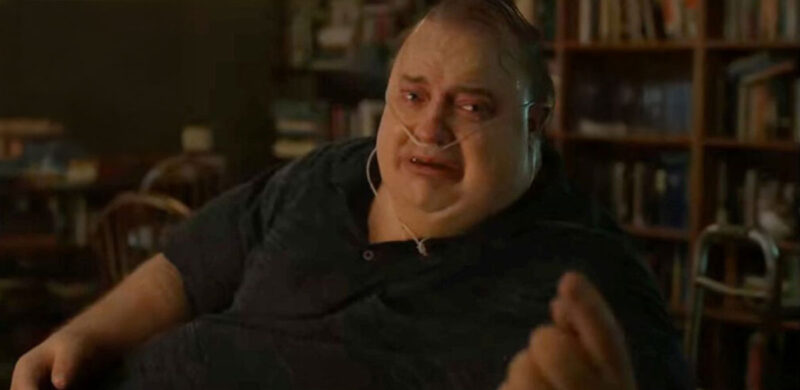
Director Darren Aronofsky reinforced this in interviews, describing the film as intentionally theatrical and intimate. The camera doesn’t roam because Charlie can’t. The film doesn’t breathe because he can’t. Aronofsky framed the work as an exercise in empathy — asking whether an audience can stay with a character long enough to see their humanity, without the relief of spectacle or momentum.
Fraser’s performance sits at the center of that experiment. He spoke openly about wanting Charlie to feel dignified, not pitied; present, not symbolic. The performance is restrained where it could have been grand, quiet where it could have been showy. It’s less about transformation than trust — trusting the material, the audience, and the silence between lines.
So no, The Whale isn’t a masterpiece in the sweeping, untouchable sense. It doesn’t aim to be. It’s deliberately narrow, emotionally dense, and occasionally uncomfortable. But that restraint is what gives the film its weight.
In a moment when many films compete for attention through scale, speed, and volume, The Whale chose stillness. And whether one connects with it or not, that choice — grounded in writing, performance, and intent — is worth acknowledging.
When Restraint Is the Craft
Films like The Whale remind us that cinema doesn’t always need to expand outward to be powerful. Sometimes the most meaningful work happens in small rooms, with limited movement, when everyone involved commits fully to the emotional truth of the story.
It’s not about being a masterpiece.
It’s about being honest — and trusting the audience to meet the work where it is.